


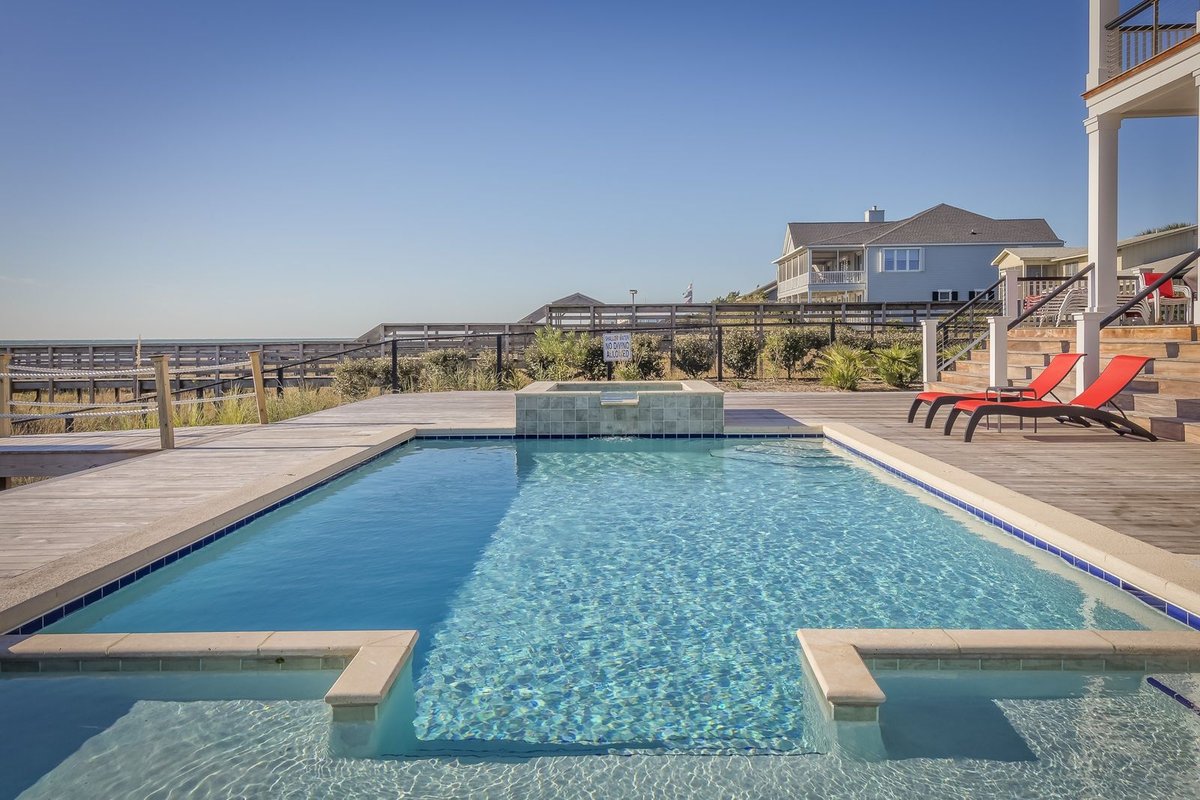
Outdoor living gear fails when chemistry and shade are afterthoughts
Hot tubs, shade structures and solar water heaters show up in the same renovation chats because they all change how a Malaysian outdoor space feels after 5pm. They do not share the same maintenance logic. Treat them as three systems that happen to share a patio, not as one lifestyle bundle with a single care sheet that nobody reads.
Product listings that show spa tub models for Malaysian patios are useful for comparing sizes and seating counts. Before you pick a shell colour, ask about delivery path, electrical load and how you will drain and refill in your actual yard without flooding the neighbour’s drain.
Humidity, leaf litter and afternoon thunderstorms are part of any outdoor design in Malaysia whether the brochure shows them or not. Plan storage for chemicals away from direct sun and away from curious children or pets that wander the deck.
Spa water chemistry is a weekly habit
Spa water needs sanitiser, balanced pH and alkalinity, and regular filter care. Skip those and the water tells on you quickly with cloudiness, odour or irritated skin. Educational start-up guides help first-time owners learn the order of adjustments: fix alkalinity and pH before you chase foam with random additives from a convenience shelf.
A practical chemical start-up walkthrough for new spa owners.
Heat loss matters for spas too. A well-fitted insulated cover keeps water warm for longer, keeps leaves out and cuts how often the heater runs. Keep a spare test kit and note the reagent brand so you do not mix chemistries midweek after a guest weekend.
Shade structures change usability more than decor admits
A patio without controllable shade becomes furniture storage for half the year. Motorised or manual, adjustable outdoor shade structures should be judged on span, drainage, motor access and what happens in high wind. Ask how rain sheds off the roof and where that water goes relative to your spa cover and electrical points. Ask too how well closed louvres hold back driving rain and how often the tracks and motor need cleaning.
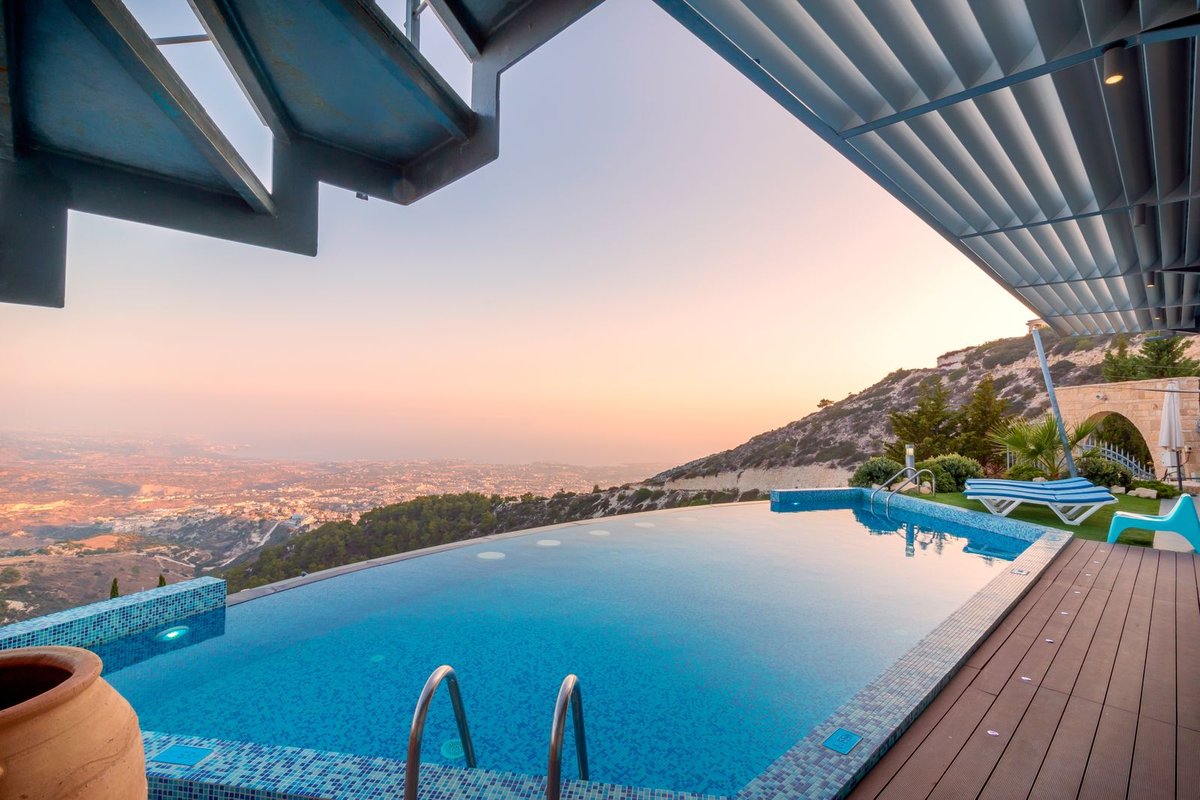
Occupational and home safety primers from the Canadian Centre for Occupational Health and Safety sound formal, yet the message transfers: plan access, avoid trip hazards around wet decks and keep electrical work with qualified people who will sign off what they installed on paper.
Solar water heating is roof logic, not patio logic
Solar thermal systems care about roof orientation, storage tank placement, stagnation behaviour and backup heating. A good rooftop solar heating overview for homes should state system type and what happens on cloudy stretches. Independent explainers such as the ENERGY STAR solar water heater guidance describe collector types and backup heating in plain terms. Cross-check installer claims with energy regulator context from Suruhanjaya Tenaga so you know which questions belong in a Malaysian electrical and energy setting.
Do not assume a spa cover and a solar heater solve each other’s problems. They can share a renovation budget without sharing a maintenance calendar or the same failure modes when storms arrive midweek unexpectedly.
A weekend commissioning checklist
On install week, photograph valves and breakers, label chemicals, store test strips out of heat and write the first three service dates into a shared family calendar. Test spa water the same day you fill. Confirm shade motors after a rain. Ask the solar installer to show you pressure relief and isolation valves while you record a short phone video for later reference.
Rehearse a shutdown: how to cover the spa, park the shade in a safe position and isolate solar loops if the installer showed you how. A two-minute family drill prevents panic when a weekday storm arrives early. Outdoor comfort projects succeed when someone owns the boring weekly tasks, so assign that someone before the first guests arrive with towels and cold drinks.